November 11, 2026
How to Handle Water Stains on Your Ceiling
By @theatticnotebook
When you notice a water stain spreading across your ceiling, the first thing to do is stay calm and act quickly. The direct answer: contain the leak, protect your belongings, and find the source before the damage gets worse. A water stain is a warning sign that moisture is getting where it should not be, and the longer it sits, the more likely it becomes that structural damage, mold, or a ceiling collapse will follow.
Start by placing a bucket or a large bowl directly under the stain to catch any drips. If the ceiling looks soft or sagging, puncture a small hole at the lowest point of the bulge with a screwdriver or awl to let the water drain in a controlled way. This prevents a sudden collapse and keeps the water from spreading sideways into the rest of the ceiling. After that, move furniture away from the area, lay down plastic sheeting or towels, and check the stain every few hours to see if it is growing or drying. A stain that stays the same size after a day or two may be from old damage, but a stain that darkens or expands means the leak is still active.
Finding the Source of the Leak
The source of a ceiling stain is not always directly above the spot you see. Water travels along joists, pipes, and the underside of the roof deck before it finally drips down. So the first place to look is the area directly above the stain in the attic or crawl space. If there is no obvious plumbing or roof penetration above the stain, the water may be entering somewhere else and running along a beam or a slope before it shows up inside the room.
Common sources include a damaged or missing shingle, cracked roof flashing around a chimney or a vent pipe, a clogged gutter that forces water under the edge of the roof, or a leaking pipe in the ceiling cavity. In some cases, the problem is not a leak at all but condensation building up inside the attic because of poor ventilation or inadequate attic insulation. A cold surface meeting warm, humid air can produce enough moisture to stain the ceiling below without any actual roof penetration.
READY ROOFING, LLC is also on LinkedIn.
To narrow down the cause, go into the attic on a dry day and look for signs of water entry. Check the underside of the roof deck for dark streaks, wet insulation, or rusted nail heads. Look at the areas around roof penetrations such as vents, skylights, and plumbing stacks. If the stain is near an exterior wall, inspect the drip edge and the flashing where the roof meets the wall. If the attic looks dry, the problem may be inside the wall or from the room above, such as a bathroom or a washing machine area.
When It Is a Roof Issue
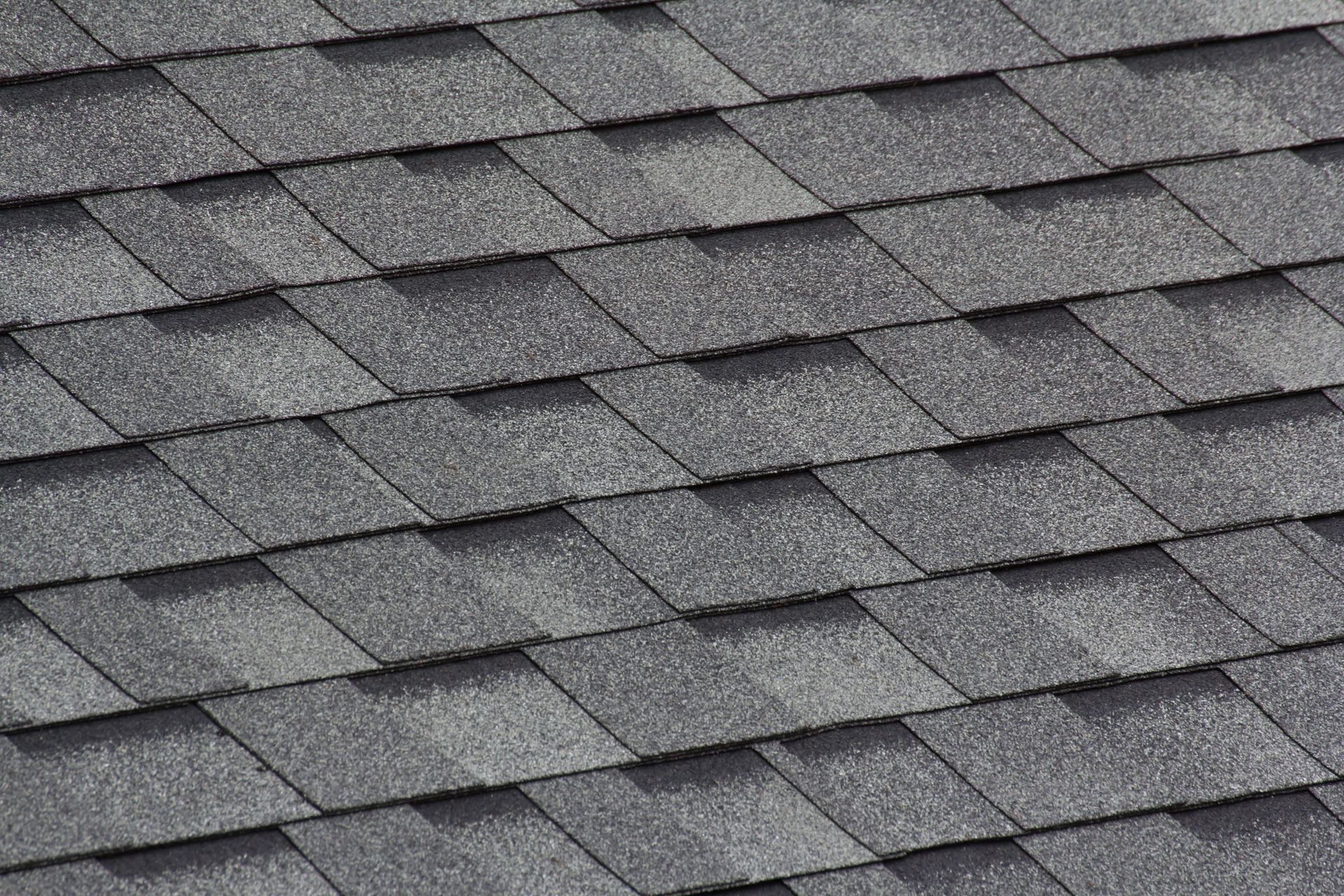
If the stain appears on the top floor of the house and the attic shows signs of water entry, the problem is likely related to the roof itself. Small leaks can start from a single cracked shingle or a lifted piece of flashing, and they often go unnoticed until the water has soaked through the underlayment and into the ceiling board. Over time, even minor stormwater intrusion can rot the roof deck, damage the attic insulation, and create conditions for mold growth inside the wall cavities.
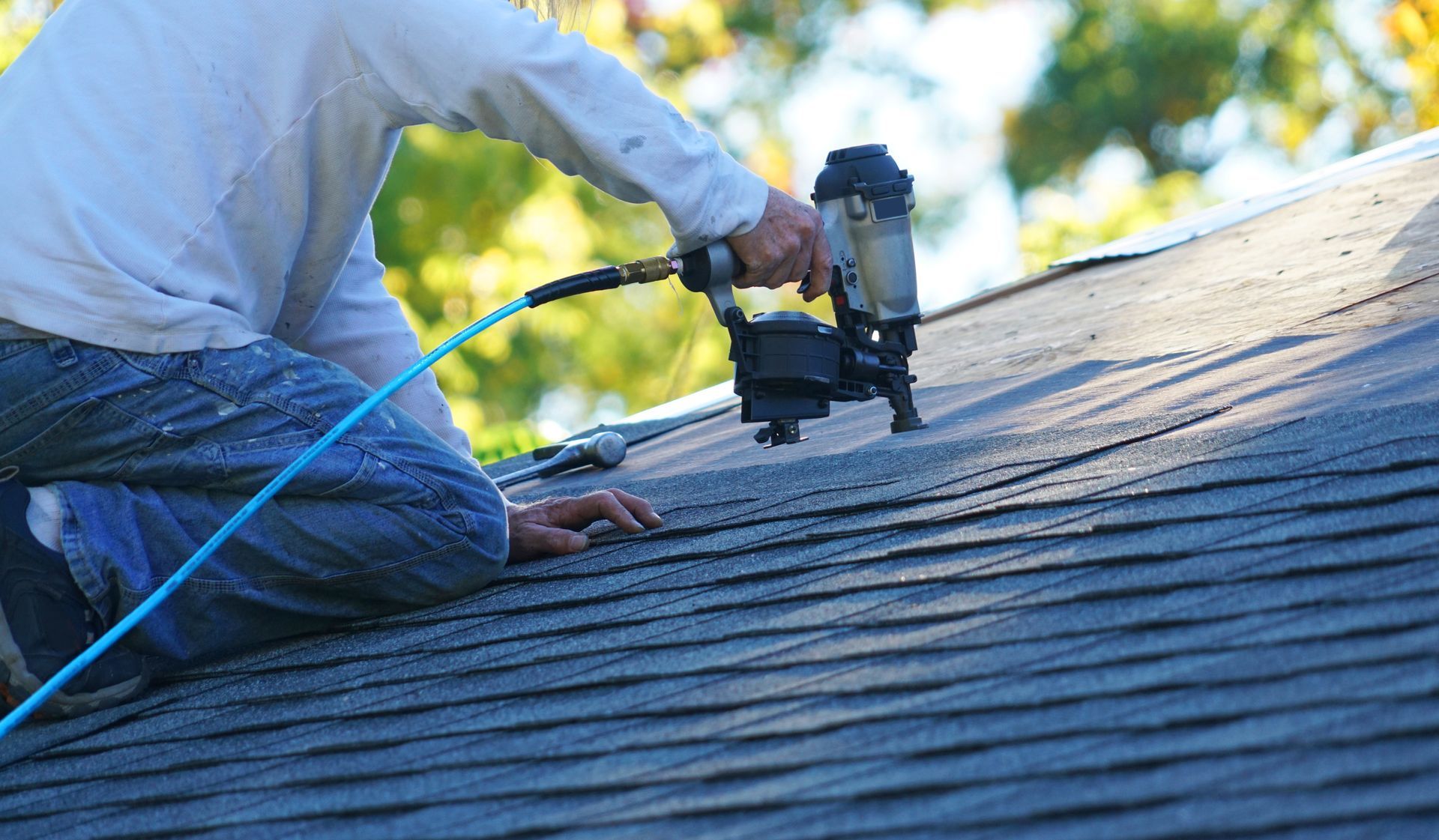
This is where residential roof repair becomes relevant. A professional inspection can identify the exact point of failure, whether it is a flashing detail that was never sealed properly, a valley where two roof slopes meet, or a section of shingles that has reached the end of its service life. The repair may be as simple as resealing a vent pipe boot or replacing a few shingles, but it could also involve replacing a section of underlayment if the moisture has been present for a while. For homeowners in Northern Florida, where storms are frequent and humidity is high, a small leak can turn into major structural work if it is ignored for months.
READY ROOFING, LLC offers residential roof repair services that cover exactly these situations. Their team can inspect the roof, identify the source of the leak, and carry out the necessary repairs to stop the water at its entry point. It is worth noting that not every ceiling stain requires a full roof replacement; many times a targeted repair is enough to solve the problem for years.
Temporary Fixes vs. Permanent Solutions
While you wait for a professional assessment, there are a few temporary steps you can take to limit moisture damage. If the leak is active, applying roofing cement or a waterproof patch to the exterior at the suspected entry point can slow the water until a proper repair is done. On the interior side, you can cut out the wet section of drywall after the leak stops and let the cavity dry completely before patching and painting. But do not paint over a water stain without fixing the source first. The stain will eventually bleed through the paint, and the moisture behind it will continue to weaken the ceiling.

A permanent solution requires addressing the root cause. For roof-related stains, that means repairing or replacing the damaged roofing material, resealing the flashing, and making sure the underlayment is intact. For plumbing leaks, it means fixing the pipe and drying out the insulation. For condensation problems, it means improving attic ventilation and adding insulation to keep the ceiling surface closer to indoor temperature.
What to Expect During a Roof Inspection
When a roofing contractor comes to evaluate a ceiling stain, they will start by looking at the stain itself and then work their way up. They will check the attic for moisture, look at the roof deck from below, and then go onto the roof to examine the area around the suspected penetration. They will also inspect the flashing at chimneys, skylights, and wall intersections, as well as the condition of the drip edge and gutters. A good inspection will include a check of the attic insulation, because wet insulation loses its R-value and can sag, creating air gaps that make the problem worse.
After the inspection, the contractor will explain what they found and what options you have. Sometimes the fix is straightforward and can be done the same day. Other times, if the damage is widespread, you may need a more involved repair that includes replacing sections of the roof deck and underlayment. In either case, the goal is to stop the water intrusion and restore the roof's ability to shed stormwater effectively.
Preventing Future Ceiling Stains
Once the leak is fixed and the ceiling is repaired, there are steps you can take to reduce the chance of another stain appearing. Keep gutters clean and free of debris so water flows away from the roof edge. Trim overhanging tree branches that can scrape the shingles and drop leaves into the valleys. Have the roof inspected after major storms, especially if you live in an area prone to high winds and heavy rain. Check the attic for signs of moisture at least twice a year, ideally in spring and fall. And if you notice a small stain forming, do not wait to investigate. A tiny leak can become a big problem in a single rainstorm.
READY ROOFING, LLC provides storm damage restoration and roof inspections across Northern Florida, helping homeowners catch small issues before they turn into major repairs. Their address is 5105 Philips Hwy Ste 205, Jacksonville, FL 32207, USA, and they can be reached at +1 904-404-9849. Having a reliable contractor to call when that first brown spot appears can save you a lot of time, money, and worry.
Water stains on a ceiling are unsettling, but they are also manageable. The key is to act fast, find the source, and get the right repair done. Whether the problem is a cracked shingle, a loose piece of flashing, or a plumbing leak, addressing it promptly will protect your home and your peace of mind.
❧